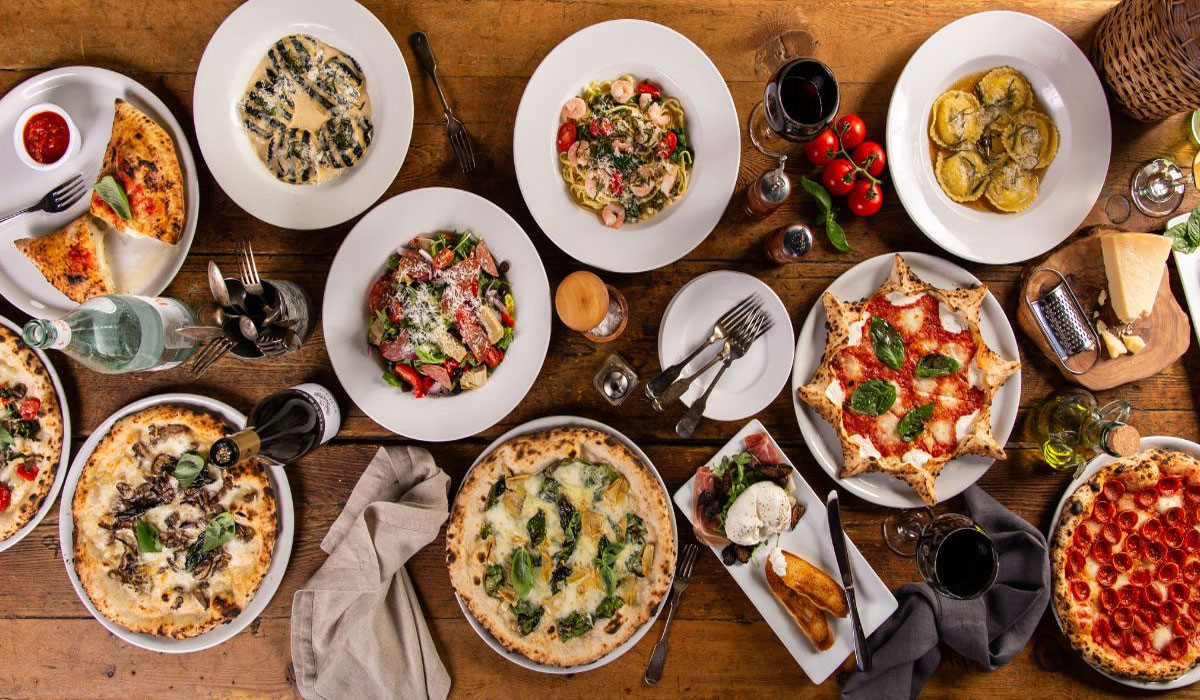
FOOD HEAVEN! Exploring Local Gastronomy That Everyone Is Talking About
Food has always been one of the most powerful ways to connect people, cultures, and traditions across the world.
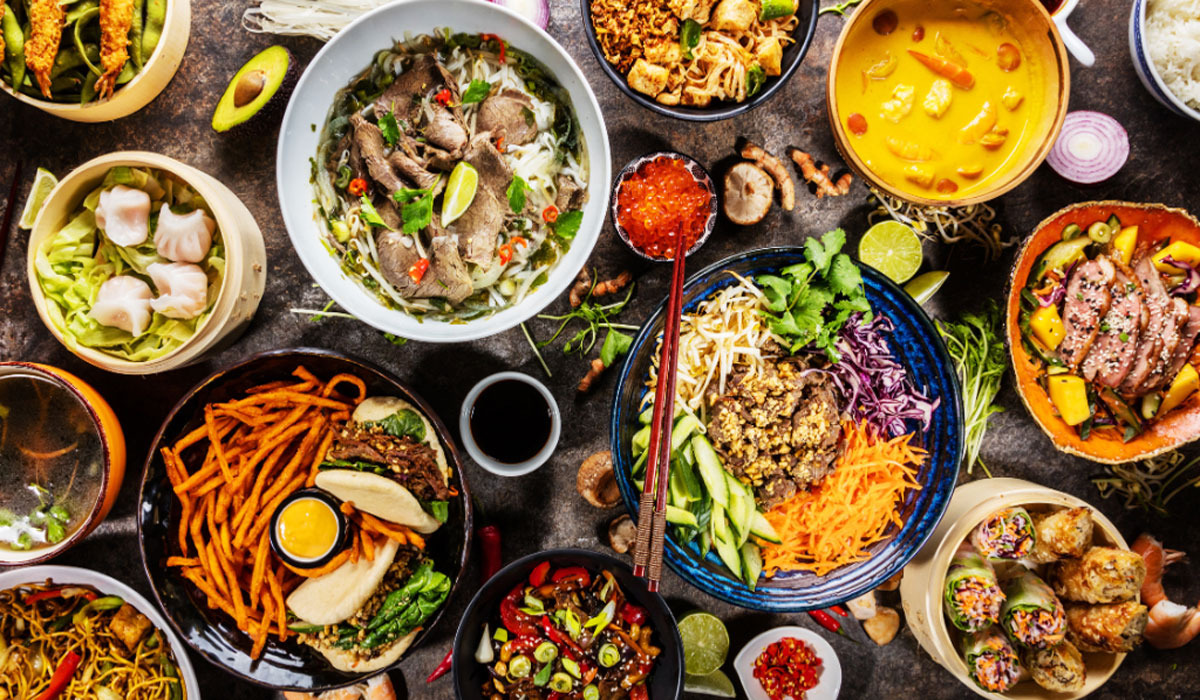
Every region carries its own culinary identity, shaped by history, geography, and local customs. Exploring local gastronomy is not just about tasting different dishes, but also about understanding the stories, values, and heritage behind every bite.
It is an experience that involves all the senses, from aroma and texture to presentation and atmosphere. Each dish reflects the identity of a community and the creativity of its people. See and follow the complete information only at Loire Valley Countryside Retreat.
The Cultural Roots of Local Gastronomy
Local gastronomy is deeply tied to cultural heritage and tradition. Recipes are often passed down from generation to generation, preserving flavors that have existed for centuries. These dishes carry memories of the past and reflect the identity of a region.
In many communities, food is an essential part of rituals, celebrations, and daily life. Festivals often feature traditional dishes that symbolize prosperity, unity, and gratitude. Through these culinary traditions, people maintain a strong connection to their ancestors and cultural roots.
Ingredients are influenced by climate, soil, and natural resources available in the area. This creates unique flavors that cannot be easily replicated elsewhere, making each region’s gastronomy distinct and special.
Ingredients That Define Local Culinary Identity
Every local cuisine begins with its ingredients, which form the foundation of flavor and character. Fresh, locally sourced produce often defines the authenticity of traditional dishes. These ingredients reflect the natural environment of the region.
Different cultures use unique combinations to enhance flavor, aroma, and color. These seasoning traditions are often closely guarded secrets that define culinary identity.
In addition, traditional cooking methods contribute to the uniqueness of local gastronomy. Techniques such as grilling, steaming, fermenting, or slow cooking are often used to bring out the best flavors. These methods are part of cultural heritage and are preserved through generations.
Also Read: Cycling in Nature Is Growing in Popularity: Healthy Lifestyle, Growing Community
The Rise of Local Food Tourism
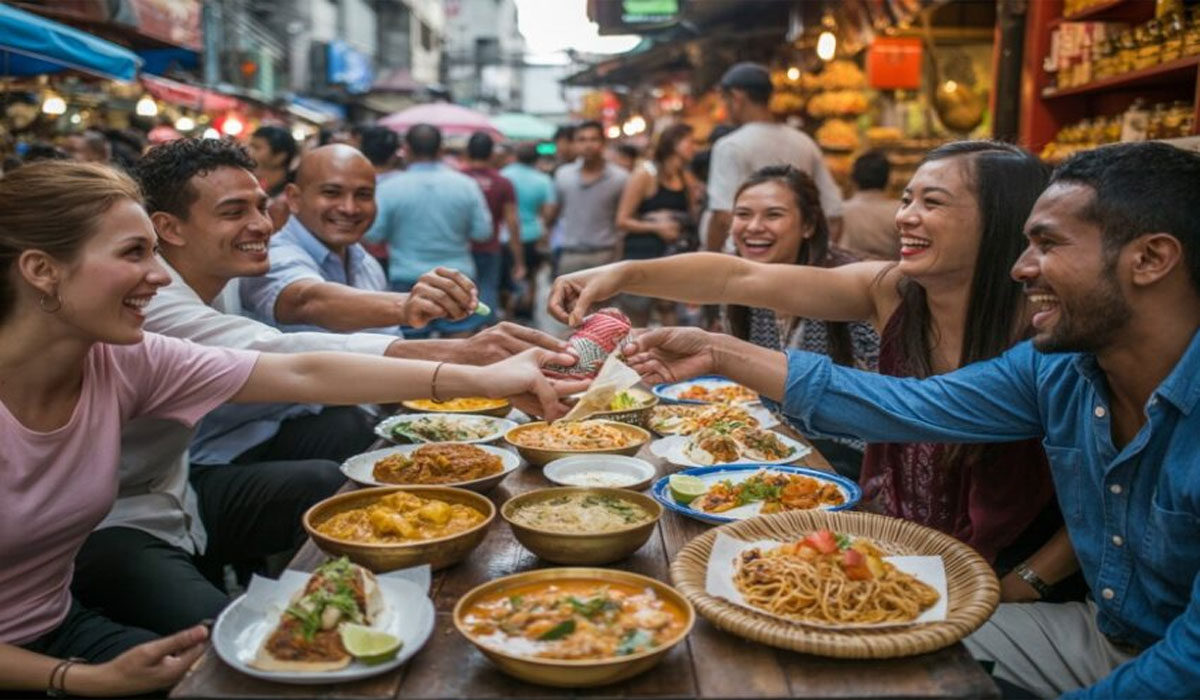
In recent years, local gastronomy has become a major attraction for travelers. Food tourism allows visitors to experience a destination through its cuisine, offering a deeper understanding of its culture.
Street food markets, traditional restaurants, and local eateries have gained international attention. These places offer authentic flavors that cannot be found in commercialized dining experiences. They provide a direct connection to the heart of a community.
Social media has also played a significant role in promoting local gastronomy. Food photography and reviews shared online have made regional dishes go viral, attracting global curiosity. As a result, local cuisines are now reaching audiences far beyond their original regions.
Modern Innovation Meets Traditional Cuisine
While tradition remains important, modern chefs are increasingly reimagining local gastronomy with more creative and innovative approaches. As a result, they combine traditional recipes with contemporary techniques to create entirely new dining experiences. In this way, culinary heritage is preserved while also being adapted to suit modern tastes.
Moreover, restaurants are now placing greater emphasis on presentation and storytelling. Dishes are not only designed to taste good, but also to visually represent deeper cultural narratives. Because of this, the artistic element of dining has become just as important as flavor, enhancing the overall experience for guests.
In addition, many chefs are prioritizing local sourcing, seasonal ingredients, and environmentally friendly practices. Consequently, this ensures that culinary traditions can continue in a more sustainable way. Furthermore, it helps reduce environmental impact while supporting local farmers and producers.
Conclusion
Local gastronomy is more than just food; it is a reflection of history, culture, and identity. From traditional recipes to modern innovations, every dish tells a story about the people and places behind it.
As global interest in food culture continues to grow, local cuisine remains a powerful way to connect the world. It preserves tradition while embracing creativity, making gastronomy one of the most meaningful and universal human experiences.
Image Source:
- First Image from indochem.co.id
- Second Image from halodoc.com