Discover Hidden Gems: Villages Where History Comes Alive Like Never Before
Traveling isn’t just about visiting cities or famous landmarks it’s about stepping into places where history lives and culture breathes.

Heritage villages offer a window into the past, showcasing traditions, architecture, and lifestyles that have survived for generations. In 2026, more travelers are seeking these hidden gems, eager to experience authentic cultures and witness the stories that shaped communities over centuries.
Exploring these villages allows visitors to slow down, engage with locals, and appreciate the nuances of daily life that are often lost in modern urban environments. From cobblestone streets to centuries-old houses and traditional crafts, heritage villages are living museums that invite curiosity and wonder.
Here’s your ultimate guide to discovering Loire Valley Countryside Retreat heritage villages that are straight out of a dream.
Preserving Tradition Through Architecture
One of the most striking aspects of heritage villages is their architecture. Many villages have carefully preserved traditional homes, temples, and communal spaces that reflect centuries-old building techniques and aesthetics. These structures often use locally sourced materials like stone, wood, and clay, creating a harmonious relationship between the village and its natural surroundings.
Visitors can explore houses with intricate carvings, ornate facades, and historic layouts that tell stories of the families and communities who lived there. Walking through narrow lanes and open courtyards, travelers gain a tangible sense of the village’s history and the craftsmanship that has stood the test of time.
Moreover, preservation efforts often include restoring landmarks and maintaining authentic construction methods. This not only protects cultural heritage but also allows visitors to experience an unaltered glimpse of history, where every stone and timber holds centuries of stories.
Festivals and Cultural Experiences
Heritage villages come alive during traditional festivals and cultural events, offering immersive experiences that are both educational and entertaining. Visitors can witness folk dances, ceremonial rituals, and local music performances that have been passed down through generations. These events showcase the community’s identity and give travelers a chance to participate in living traditions.
Culinary experiences are also central to these cultural encounters. Local markets, family-run eateries, and communal feasts allow visitors to taste authentic recipes prepared using traditional methods. From hand-ground spices to age-old cooking techniques, food becomes a window into history and community life.
Artisan workshops provide another layer of engagement. Travelers can learn traditional crafts such as weaving, pottery, wood carving, or metalwork, gaining hands-on understanding of skills that have defined the village for centuries. These experiences create lasting memories and help support local communities economically.
Also Read: These Heritage Villages Are Straight Out of a Dream – Explore Them in 2026
Nature and Environment in Harmony
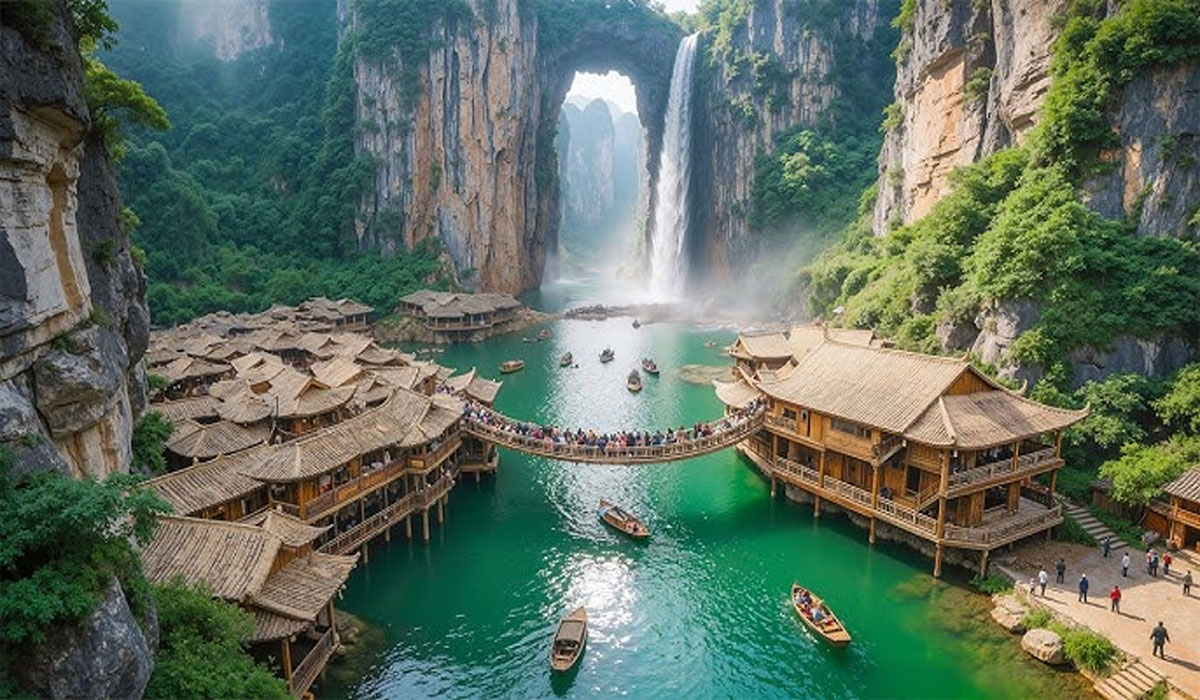
Heritage villages are often set in stunning natural landscapes that enhance their charm and provide context for local lifestyles. Rivers, hills, and forests surrounding these villages not only contribute to scenic beauty but also played a vital role in shaping traditions, agriculture, and daily routines.
Exploring these natural settings offers more than visual pleasure. Visitors can hike trails, participate in farming activities, or enjoy river excursions, learning how the environment has influenced the village’s architecture, festivals, and economy. Such interactions create a holistic travel experience where history, culture, and nature intersect.
Sustainable tourism initiatives are increasingly important in these areas. By respecting local ecosystems and traditional practices, travelers help preserve both the natural beauty and the cultural heritage that make these villages extraordinary. This mindful approach ensures that future generations can continue to enjoy and learn from these hidden gems.
Connecting with Local Communities
Perhaps the most rewarding aspect of visiting heritage villages is connecting with the people who keep traditions alive. Local families often welcome visitors into their homes, offering personal stories and insights that no guidebook can replicate. These encounters foster empathy, understanding, and a deeper appreciation of the village’s history.
Community-led tours, homestays, and volunteer opportunities allow travelers to engage meaningfully. Whether participating in agricultural work, assisting with craft workshops, or helping organize festivals, visitors contribute to the community while gaining authentic experiences.
These interactions create a two-way exchange: travelers learn about centuries-old practices, while villagers benefit from cultural exchange and economic support. This relationship strengthens the preservation of heritage and ensures that traditional lifestyles remain vibrant and relevant in a rapidly changing world.
Conclusion
Heritage villages are more than picturesque destinations they are living archives of human history, culture, and creativity. By exploring preserved architecture, engaging in festivals and crafts, appreciating harmonious natural settings, and connecting with local communities, travelers experience history in a deeply immersive way.
In 2026, discovering these hidden gems offers not just scenic beauty but lessons in resilience, tradition, and the power of community. Visiting heritage villages transforms travel from passive observation into active participation, leaving visitors with unforgettable memories and a renewed respect for the stories that shape our world.
Image Source:
- First Image from frenchsidetravel.com
- Second Image from getyourguide.com