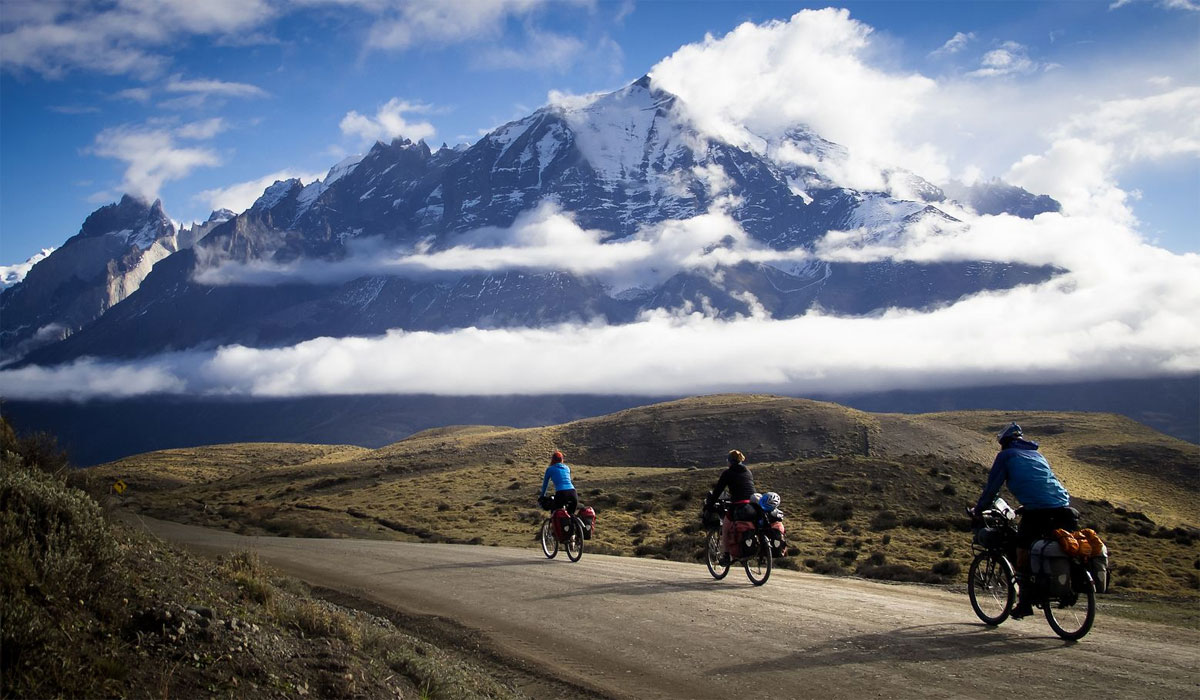
Ride Into Adventure: Secrets of Epic Nature Cycling You Must Know
Explore the joy of cycling in nature with this complete guide to mountain and outdoor biking, learn essential tips on gear, trails, safety.
Cycling in nature gives you freedom, excitement, and a deep connection with the outdoors. Every ride through forests, hills, or coastal paths brings fresh air and stunning scenery that city roads cannot offer. You feel your body move with the rhythm of the landscape while your mind escapes daily stress.
The following Loire Valley Countryside Retreat will discuss about Explore the joy of cycling in nature with this complete guide to mountain and outdoor biking.
Choosing the Right Bike for Nature Trails
The bike you choose determines how well you handle natural terrain. You should pick a mountain bike or hybrid bike designed for uneven surfaces. Strong tires with deep grip help you stay stable on dirt, rocks, and muddy paths.
You also need to consider frame material and suspension. A lightweight frame improves control, while front or full suspension absorbs shocks from rough trails. When your bike matches the terrain, you reduce fatigue and increase riding comfort.
Finally, you should test your bike before long rides. Adjust the seat height, check the brakes, and inspect tire pressure. When you fine-tune your setup, you ride with more confidence and control.
Essential Gear for Outdoor Cycling
Proper gear protects you and improves your performance on nature trails. You should wear a helmet that fits securely to protect your head during unexpected falls or collisions. Safety always comes first when you ride on uneven terrain.
You also need clothing that supports movement and weather conditions. Breathable, moisture-wicking fabrics keep you comfortable during long rides. Gloves improve your grip and reduce hand fatigue on rough trails.
Finally, you should carry basic tools and safety items. A repair kit, water bottle, and small first aid kit help you handle minor issues on the road. When you prepare properly, you avoid unnecessary interruptions during your adventure.
Alos Read: Seasonal Events Warning: Something Unusual Is Happening Worldwide!
Mastering Cycling Techniques on Trails
Cycling in nature requires different techniques compared to city riding. You should maintain a relaxed grip on the handlebars to absorb shocks and improve control. A stiff posture reduces balance and increases fatigue on uneven ground.
You also need to learn how to shift your body weight. When climbing hills, you should lean forward to maintain traction. During descents, you should shift your weight backward to control speed and stability.
Finally, you should practice braking techniques. You need to apply both brakes smoothly instead of sudden stops. Controlled braking helps you avoid skidding and keeps your ride safe on slippery or rocky surfaces.
Exploring Trails and Building Endurance
Trail selection plays a major role in your cycling experience. You should start with easy routes before moving to more challenging terrains. When you build confidence gradually, you reduce the risk of injury and improve your skills.
You also need to increase your endurance over time. Regular rides help your body adapt to longer distances and tougher trails. When you stay consistent, you develop stronger muscles and better stamina.
Finally, you should explore different environments. Forests, mountains, and coastal paths each offer unique challenges and views. When you vary your routes, you keep your rides exciting and mentally refreshing.
Safety and Environmental Responsibility
Safety should always guide your cycling adventures. You should inform someone about your route before you leave, especially when you ride in remote areas. This simple step ensures help can reach you if anything goes wrong.
You also need to respect nature during your rides. Stay on designated trails to protect plants and wildlife. When you follow trail rules, you help preserve the environment for other cyclists and future generations.
Finally, you should carry out all your waste. Avoid leaving trash behind, even small items like wrappers or bottles. When you take responsibility for your impact, you support sustainable outdoor cycling and protect natural beauty.
Image Information Source:
- Main Image from WWF
- Second Image from Bike Florida