From Soil to Glass! The Fascinating Secret That Makes Great Wines Unique
Wine has fascinated humanity for thousands of years, yet the true magic behind a remarkable bottle often lies beyond the grapes themselves.
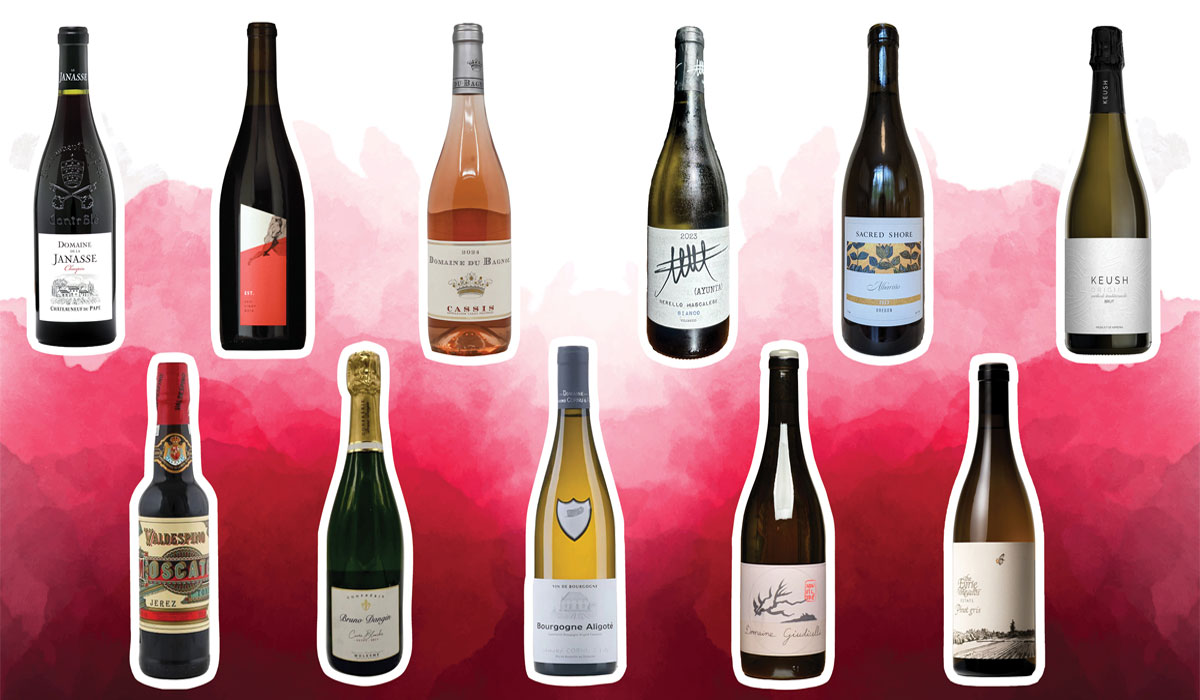
The environment where the vines grow, the climate that shapes their development, and the soil that nourishes their roots all work together to create something truly special. This powerful combination is known in the world of winemaking as terroir, a concept that explains why wines from different regions possess their own distinct character and identity.
Here’s your ultimate guide to discovering Loire Valley Countryside Retreat heritage villages that are straight out of a dream.
Understanding the Meaning of Terroir
The word terroir comes from the French language and describes the natural environment in which grapes are grown. It includes factors such as soil composition, climate conditions, altitude, and even the surrounding ecosystem. Together these elements influence how grapes develop and ultimately shape the taste, aroma, and structure of the wine.
In regions such as Bordeaux, terroir is considered the foundation of winemaking excellence. The combination of gravel rich soils, moderate rainfall, and temperate climate creates ideal conditions for growing grapes that produce some of the most celebrated wines in the world.
Terroir also reflects the relationship between nature and tradition. Local winemakers often follow techniques that have been passed down for generations, learning how to work with the unique characteristics of their land to bring out the best qualities in their grapes.
How Soil Shapes the Flavor of Wine
Soil plays a surprisingly powerful role in determining how wine tastes. Different types of soil affect how water drains, how roots grow, and how nutrients are absorbed by the vine. These subtle differences can dramatically influence the flavor profile of the final product.
For example, limestone rich soils help retain moisture and provide minerals that contribute to elegant acidity in wine. Clay soils, on the other hand, tend to hold water longer and produce wines with deeper structure and stronger body.
In regions like Burgundy, the soil composition varies even within small distances. As a result, vineyards located just a few hundred meters apart can produce wines with noticeably different aromas and textures, demonstrating the remarkable influence of terroir.
Also Read: Escape the Routine! Incredible Weekend Escapes That Will Refresh Your Mind
Climate and Geography in Winemaking

Climate is another essential component that shapes the character of wine. Temperature, sunlight, and rainfall all influence how grapes ripen throughout the growing season. Warmer climates tend to produce grapes with higher sugar levels, resulting in wines with richer flavors and higher alcohol content.
Cooler regions often produce wines with brighter acidity and more delicate aromas. This balance between warmth and freshness plays a key role in determining the style and complexity of the wine.
The geography of the valley also provides varied microclimates that allow different grape varieties to thrive.
The Human Touch in Terroir
While nature plays a powerful role in shaping wine, human decisions are equally important. Winemakers carefully manage vineyards to ensure that the vines grow in harmony with the environment. Choices about pruning, harvesting time, and fermentation techniques all contribute to the final character of the wine.
Traditional winemaking regions often emphasize minimal intervention so the natural expression of terroir can shine through. This philosophy allows drinkers to experience the authentic taste of the land where the grapes were grown.
In famous regions such as Tuscany, winemakers combine centuries old traditions with modern knowledge to preserve the unique identity of their wines while maintaining consistent quality year after year.
Conclusion
Great wine is the result of an extraordinary partnership between nature and human craftsmanship. Soil composition, climate patterns, geographic features, and local traditions all contribute to the concept of terroir, shaping wines that reflect the place where they were created.
From renowned regions like Bordeaux and Burgundy to innovative vineyards in Napa Valley and Tuscany, each bottle tells a story of land, climate, and tradition. Understanding terroir allows wine lovers to appreciate that every glass holds not only flavor but also the unique identity of the place where it was born.
Image Source:
- First Image from istockphoto.com
- Second Image from freepik.co